
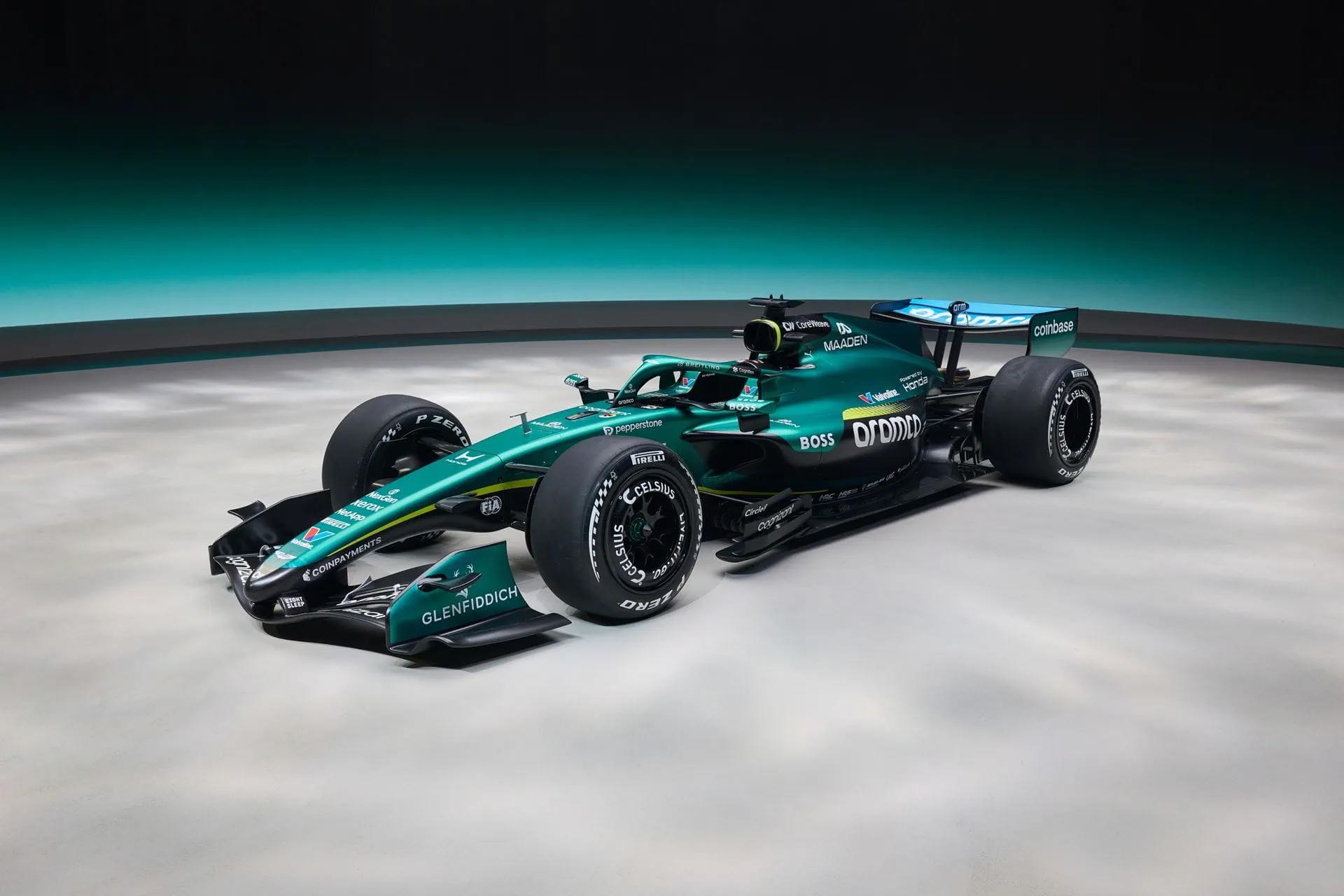
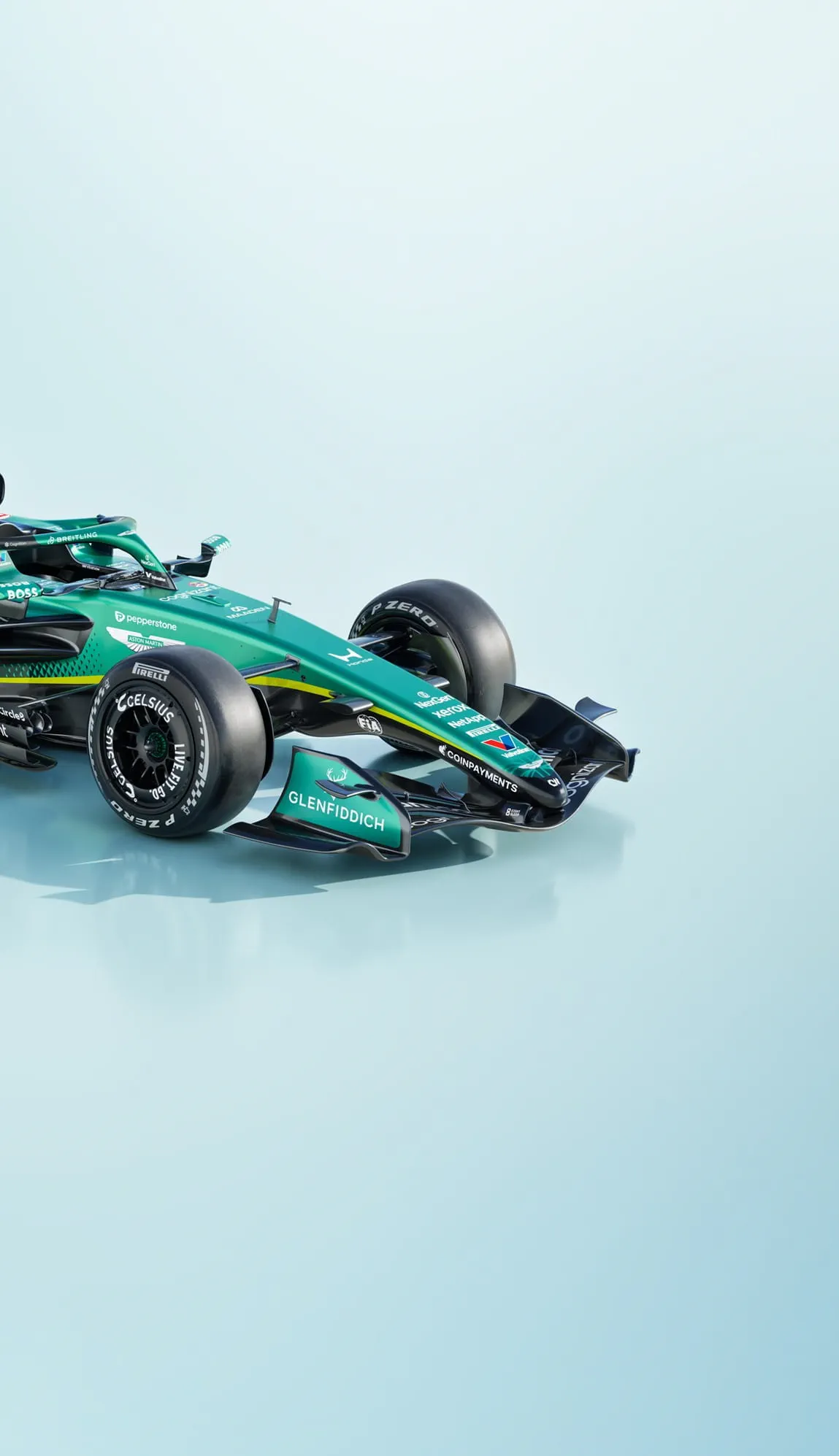
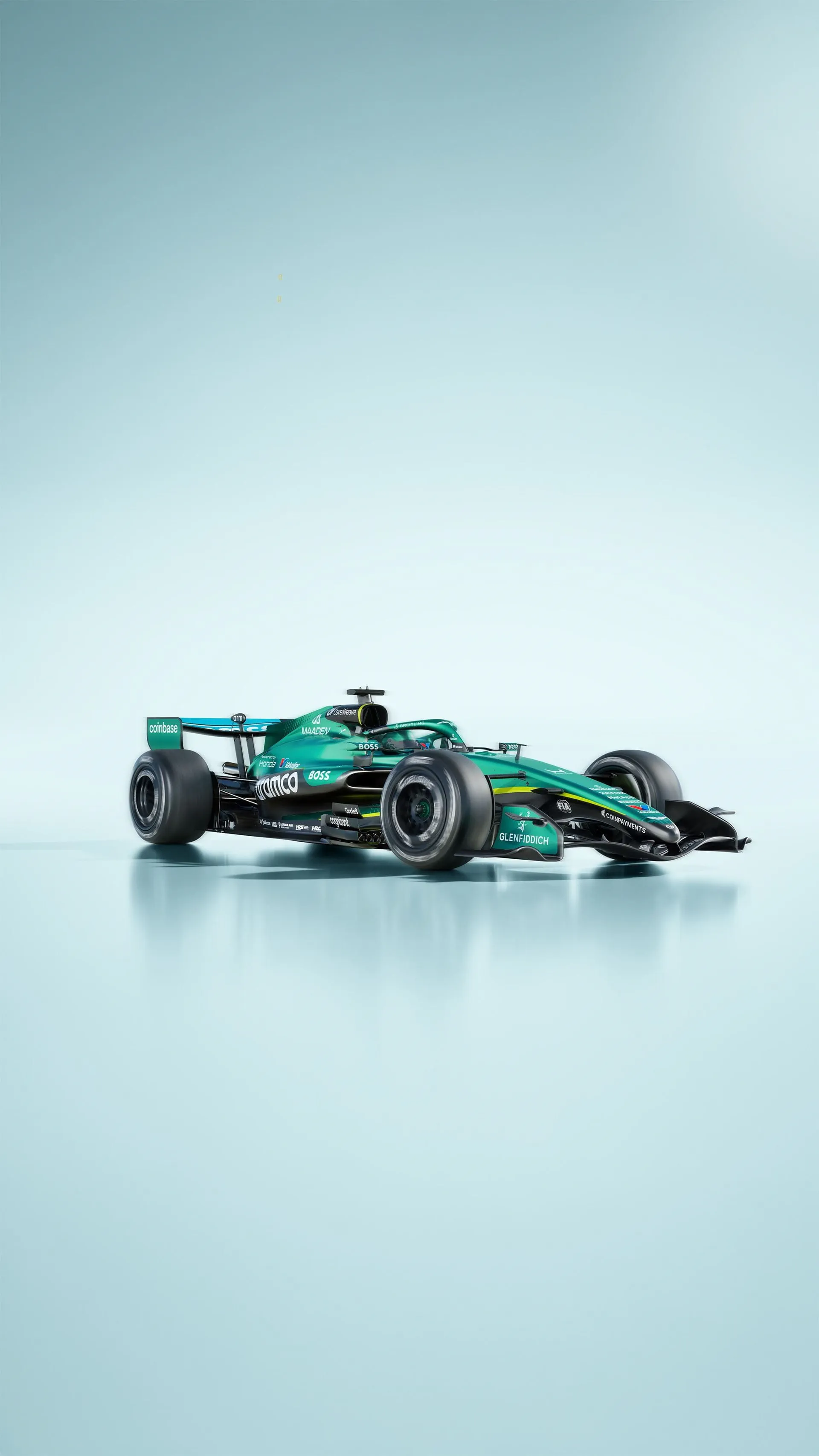
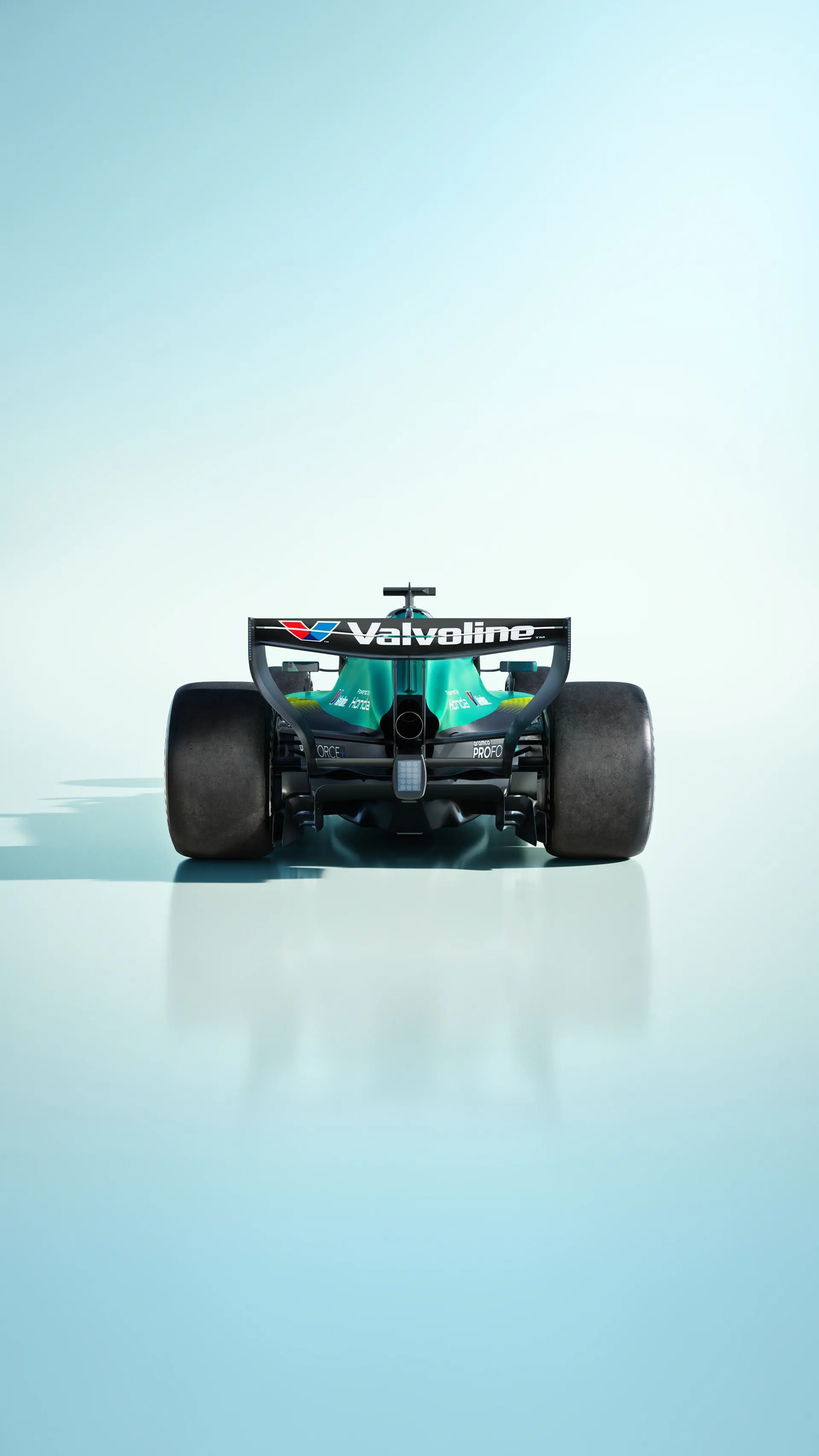
Introducing the AMR25
2026 marks the biggest regulatory reset in a generation: for the first time, Formula One™'s chassis and power unit regulations change together.
The result is a radically different F1® car: lighter, more compact, less drag and more sustainable.
Super-efficient active aero reshapes airflow. A 50:50 hybrid power unit balances combustion and electrical energy. Every lap is powered by fully sustainable fuel.
Welcome to a new era.
F1® 2026 ENGINEERING
Brakes
With the MGU-K now responsible for harvesting more energy under braking, up to 8.5MJ per lap, the braking system must manage a complex blend of regenerative and friction braking. The brakes can slow the car from more than 320km/h to zero in less than five seconds while simultaneously feeding energy back into the system. Front brakes remain purely hydraulic. Rear brakes are brake-by-wire, translating pedal input into a torque request that balances electrical harvesting with mechanical stopping force. Brake ducts must carefully balance airflow for cooling against aerodynamic efficiency – larger brake ducts improve thermal control but increase aerodynamic drag. With temperatures exceeding 1,000°C and deceleration forces of up to 6G, the brake ducts funnel air into and out of the brake assembly.

Fuel
Aramco takes its partnership with the team to the next level in 2026, leveraging its experience as exclusive supplier of lower carbon fuel to F2, F3, and F1 ACADEMY™ to exclusively supply Aramco ProForce+, its FIA-compliant 100 per cent sustainable fuel, to Aston Martin Aramco. Formula One™'s switch to 100 per cent sustainable fuel is one of the most important changes of the 2026 regulations. These fuels are derived from 'Advanced Sustainable Components' (ASCs), ensuring they are sourced from non-food biomass, renewable feedstock of non-biological origin or municipal waste, and meet stringent greenhouse gas emissions thresholds. The exclusive supply of Aramco ProForce+ builds on Aramco’s advanced research and development centres around the world, which are investing in lower-carbon fuel formulations, supporting its work with motorsport teams and competitions to further test potential lower-carbon drop-in solutions. The development of Aramco ProForce+ is tightly integrated with the design of Honda's RA626H power unit. Combustion characteristics, efficiency, reliability and power output are optimised together, ensuring the fuel and power unit function as a single seamless system.

Gearbox
An eight-speed, semi-automatic transmission sits behind the power unit, the first transmission and hydraulics system developed in-house at our state-of-the-art AMR Technology Campus – the last complete F1® gearbox designed at our Silverstone base raced in 2004. The demands placed upon an F1® gearbox from 2026 are fundamentally different to previous generations. With the MGU-K delivering and recovering significantly more power, the gearbox must now handle large torque loads in both directions. Gear changes take place in a matter of milliseconds. Strength, reliability and integration with the power unit are paramount, particularly as the gearbox plays a critical role in the energy recovery system. Leading-edge lubricants developed by our Official Lubricant Partner, Valvoline, aid the performance and reliability of the gearbox – and power unit. Valvoline products in use across our 2026 F1® car include transmission fluid, engine oil, brake fluid and coolant. Reliability and performance drive gearbox design, but they are not the only factors. An F1® car is a holistic organism: every part is influenced by, and in turn influences, every other part. The gearbox has to work with the aerodynamic concept, the cooling concept, an idealised centre of gravity, and an idealised weight distribution.

Active Aero
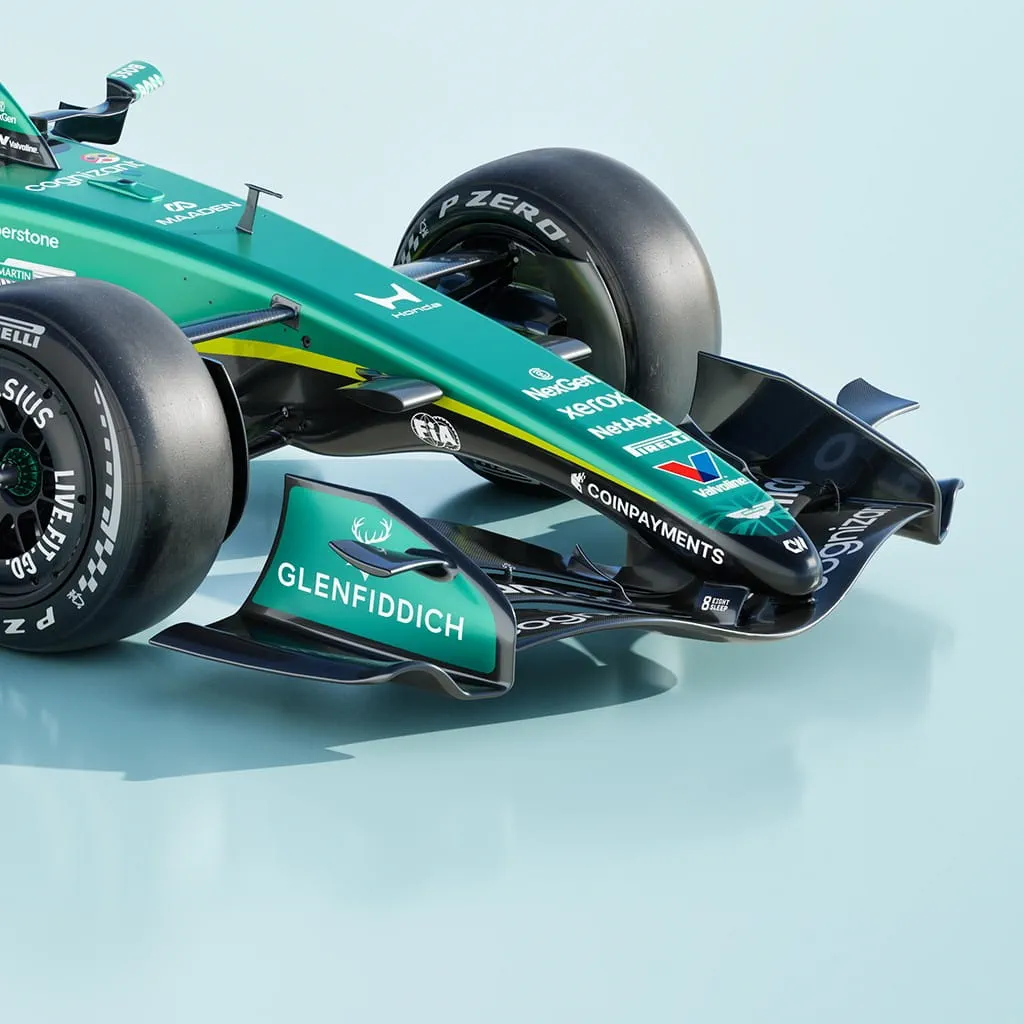
2026 F1® cars feature fully active front and rear wings, allowing the car to switch between two distinct aerodynamic states: Corner Mode and Straight Mode. In corners, the wings increase their angle of attack to generate downforce, pushing the car into the asphalt and maximising grip. On the straights, they flatten to reduce drag, boosting straight-line speed. Unlike the DRS system of previous generations, active aero operates on every lap and across multiple zones, with both the front and rear wings moving in synchrony. This coordination is critical: altering aerodynamic surfaces changes not just downforce and drag, but also the car's balance. Movements happen in milliseconds, powered by lightweight actuators controlled by electro-hydraulic valves.
Suspension
Suspension is not just about ride and handling; it's a key aerodynamic and performance tool. The suspension must keep the tyres in consistent contact with the track and the car in a precise ride-height window required for aerodynamic efficiency. Suspension layout is also an aerodynamic decision. The exposed suspension arms sit in highly sensitive airflow regions, meaning choices between push-rod and pull-rod configurations are dictated by both mechanical performance and aerodynamic opportunity. Push-rod systems offer cleaner airflow and easier access for mechanics. Pull-rod layouts allow heavier components – springs and dampers – to be mounted lower in the chassis, reducing the centre of gravity. Springs, dampers and anti-roll bars control wheel movement and dissipate energy, while geometry ensures the tyre maintains maximum contact with the track – enabling earlier throttle application and consistent performance across varying conditions.
Floor
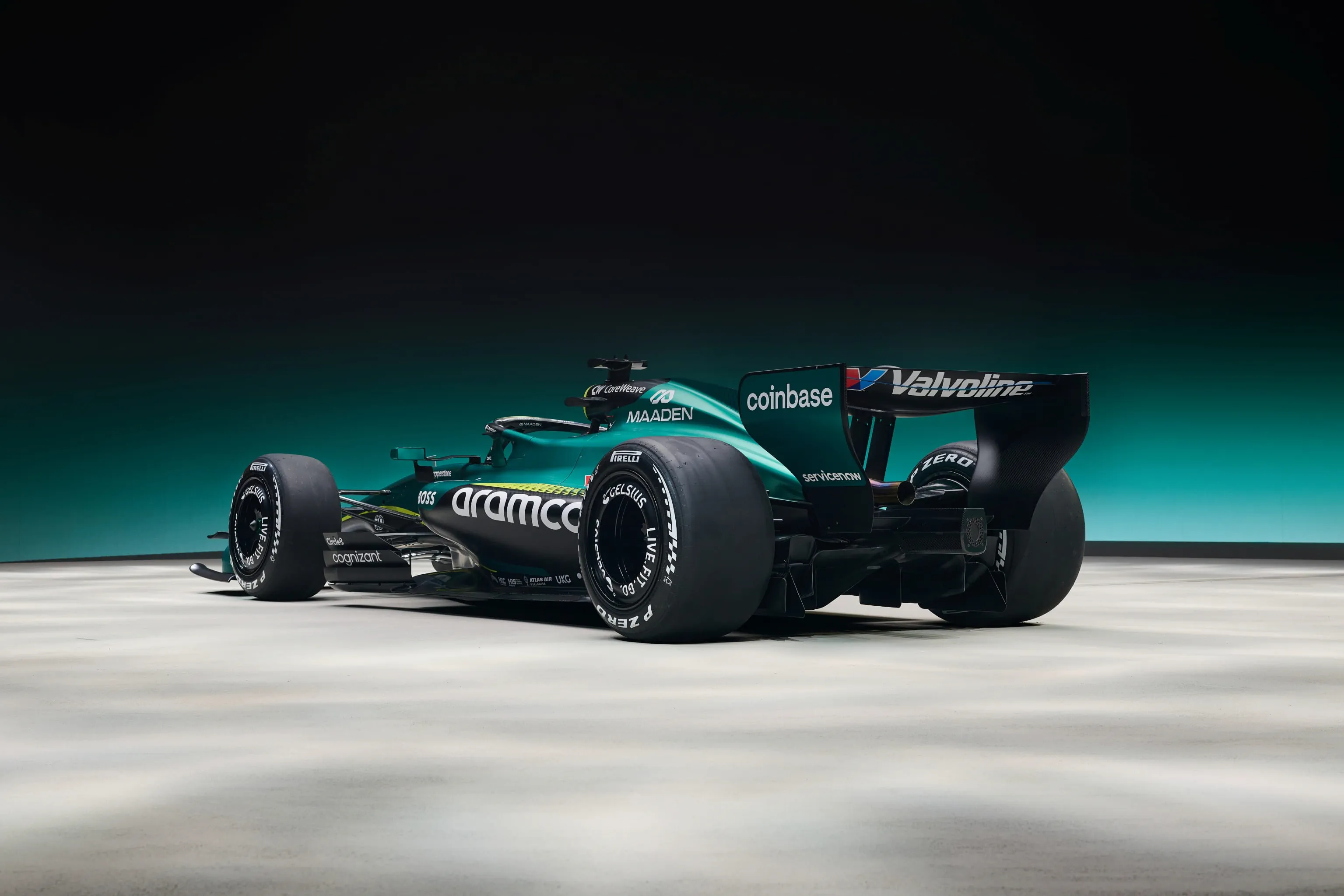
The 2026 technical regulations reset brings an end to Formula One™'s ground effect era. Introduced in 2022, venturi tunnels beneath the car generated large amounts of downforce, but also led to extreme sensitivity, porpoising and narrow setup windows. For 2026, the regulations return F1® cars to a flat-bottomed floor with a simple step into a conventional diffuser at the rear. This fundamentally changes how downforce is generated, shifting reliance away from highly contoured tunnels close to the ground and towards wings and bodywork. The aim is twofold: maintain the ability for cars to follow one another closely, while reducing sensitivity to ride height and airflow disruption. The result is a platform that is more predictable, more consistent and better suited to close racing. While simpler in appearance, the floor remains a crucial aerodynamic surface, carefully shaped to manage airflow into the diffuser and work in harmony with the car's active aero.
Power Unit
Developed by our works partner Honda, the RA626H is a 1.6-litre turbocharged internal combustion engine (ICE) paired with a motor-generator unit that recovers and restores kinetic energy from braking, as well as energy store and control electronics. Where the previous generation of F1® cars derived around 80 per cent of their power from combustion, the new generation is powered by a 50:50 split between internal combustion and electrical energy. The MGU-H (motor-generator unit – heat), powered by the stream of hot exhaust gases in the turbocharger when it's not being used to pressurise engine air, has been removed as a result of the rules reset, simplifying the power unit architecture and reducing complexity, while increasing reliance on kinetic energy recovery. The MGU-K (Motor Generator Unit – Kinetic) becomes vastly more powerful, with its output increasing from 120kW to 350kW and doubling the amount of energy that can be harvested under braking. The MGU-K is connected to the rear axle. When braking, it acts as a generator, converting kinetic energy into electrical charge. When accelerating, it flips – delivering that stored power back to the wheels instantly. Electrical energy is stored in a high-density battery and deployed strategically, particularly on corner exit, where the electric motor’s instant torque is most effective. The ICE plays a dual role: providing propulsion and charging the battery during part-throttle phases.
After-sales with Aston Martin Queensland
Choosing to buy an Aston Martin with us means choosing the expertise of Aston Martin approved technicians. Our after-sales team offer everything from skilled servicing, extensive accident repairs or bespoke modifications.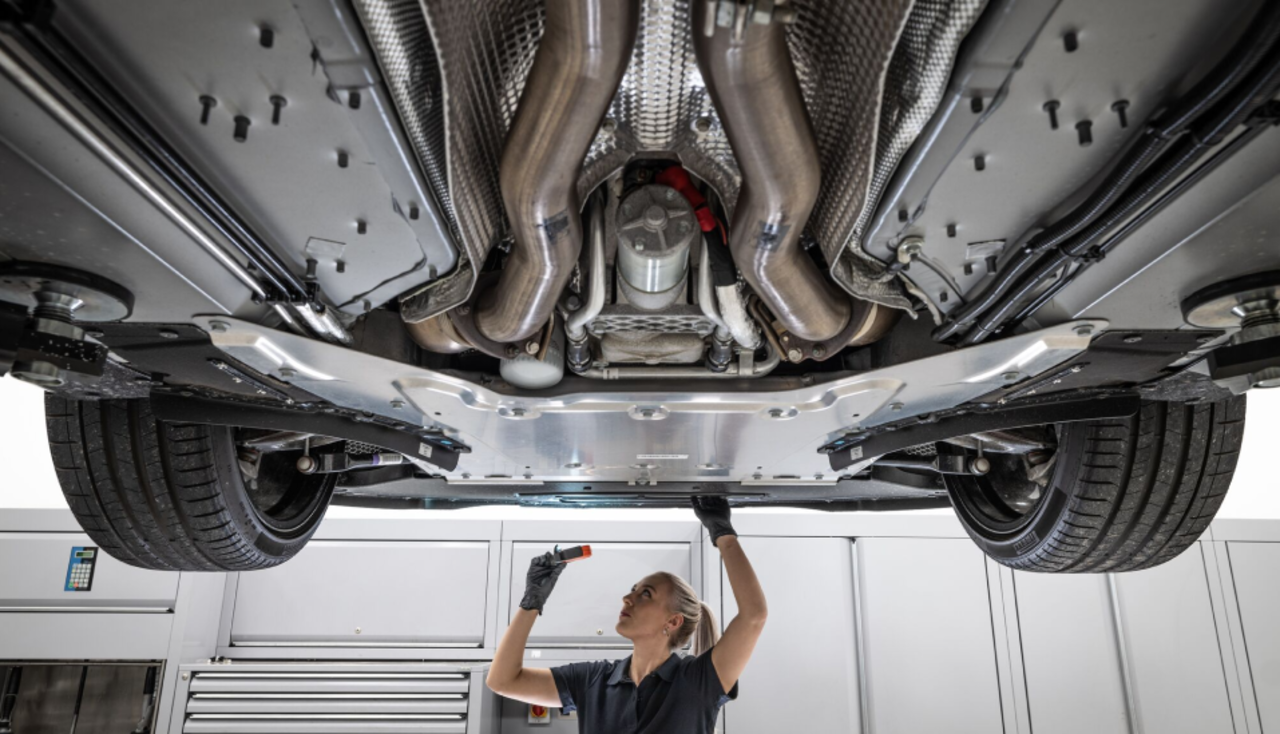
Customise an Aston Martin
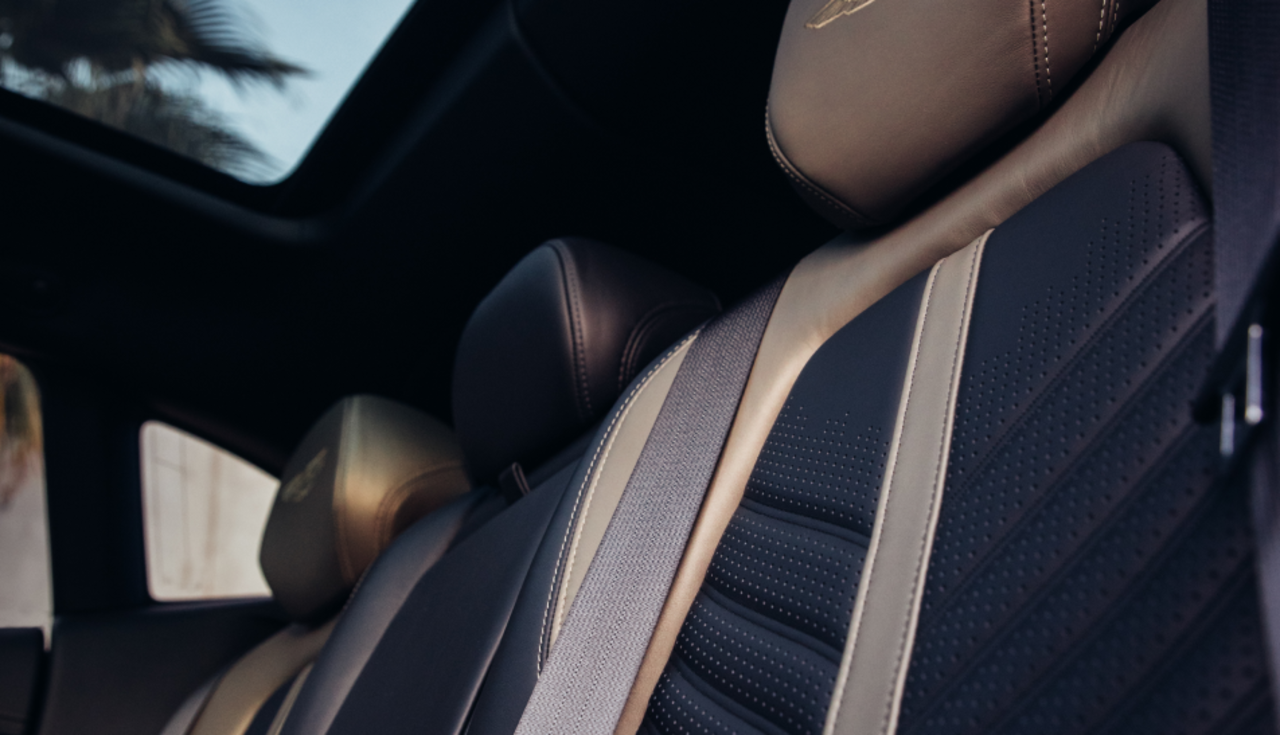
Use the Aston Martin configurator to design the car of your dreams. From specific grille finishes to the colour of your hand stitched leather interior, take your new Aston Martin to new levels of luxury and customise a car like no other.Aston Martin AMR26 Features


Enquire Now
Aston Martin Queensland
Aston Martin Queensland - Service
Phone
Aston Martin Queensland - Parts
Phone
